Weatherproof Your Wander: Building a Rainy Day Detour Bank Before You Ever Leave the Driveway
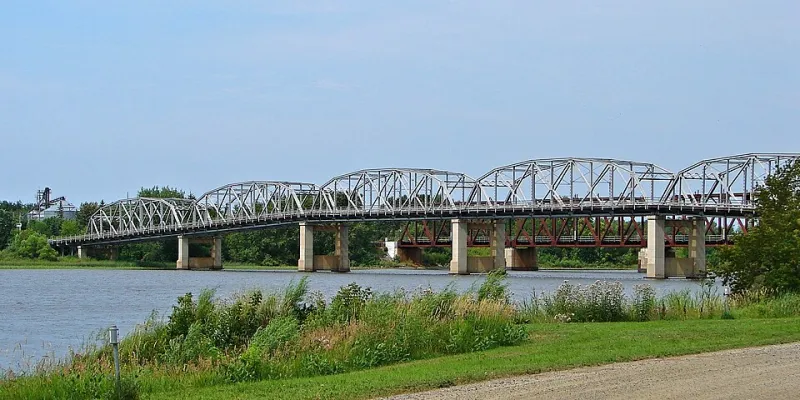
Photo: P199, CC BY-SA 3.0, via Wikimedia Commons
Every road tripper has a moment they dread: the windshield wipers going full metronome, the scenic overlook swallowed by fog, the kids in the back seat asking if this counts as a washout. We've been trained to treat bad weather as the villain of the road trip narrative — the plot twist that ruins Act Two.
But here's the thing Bonzivista was built on: the detour is the destination. And rain? Rain is just the universe handing you a permission slip to go indoors and get weird.
Stop Planning Around the Forecast. Plan Around the 'What If.'
Most itineraries are built like glass sculptures — gorgeous until something bumps them. A thunderstorm rolls through the Smokies and suddenly your entire day of overlooks and waterfall pulls is toast, along with your mood.
The fix isn't a better forecast. It's a better backup. We call it a detour bank: a pre-researched stash of indoor and foul-weather-friendly stops, banked by region, ready to withdraw the moment the sky turns on you.
Think of it like an emergency fund, except instead of cash, you're holding the world's largest collection of mustard (more on that later).
The Detour Bank Framework: Three Withdrawals Per Leg
For every 200–300 miles of route, bank three options:
1. The Quick Withdraw (under 1 hour). Something right off the highway. A roadside oddity with a roof. The Cadillac Ranch of indoor attractions. These are your impulse saves — the places you can hit during a passing shower without wrecking the day's mileage.
2. The Mid-Size Withdraw (1–3 hours). A regional museum, a cavern tour, a historic fort with interior exhibits. Enough substance to absorb a whole afternoon of drizzle.
3. The Full Deposit (half day or overnight). A hot spring town, an aquarium city, a spa, a brewpub district. When the weather commits to being terrible, you commit to being cozy.
Do this for each leg and you've essentially made your itinerary storm-proof. The rain stops being a decision you have to make on the side of the road with a soggy map and a morale crisis.
Where the Good Indoors Are: A Regional Cheat Sheet
The Pacific Northwest — Obviously. This is the birthplace of rainy day excellence. Bank the Oregon Coast Aquarium in Newport, the fantastically strange Maryhill Museum (a samurai armor and Rodin collection in the middle of wheat country), and any of Portland's museums, which exist specifically because locals gave up on dry weather sometime in 1994.
The Southwest — Surprise: the desert has weather too, and monsoon season is no joke. Bank hot springs (Truth or Consequences, New Mexico, is practically a Plan B town by design), the biosphere-scale weirdness of Arizona's Meteor Crater visitor center, and Santa Fe's gallery scene, which can absorb an entire washed-out weekend and leave you feeling fancier.
New England — Covered bridges are the region's original rainy day clause. Vermont and New Hampshire are laced with them, plus the Montshire Museum in Norwich, the Ben & Jerry's factory tour (yes, samples), and enough small-town general stores to eat an afternoon whole.
The Midwest — Home of the niche museum, and we mean that as the highest compliment. The National Mustard Museum in Middleton, Wisconsin. The SPAM Museum in Austin, Minnesota. The American Sign Museum in Cincinnati. The Midwest understood the assignment decades ago: if the weather's bad, get indoors and get specific.
The Southeast — Aquarium towns (Chattanooga, Gatlinburg, Charleston), caverns (Ruby Falls is literally inside a mountain), and Gulf Coast hurricane-season contingencies in the form of some seriously good indoor food halls and maritime museums.
Seasonal Fine Print
Your detour bank should change with the calendar. Summer in the Southwest means monsoon afternoons — bank morning-light plans and indoor escapes for after 2 p.m. Winter in the Rockies means bank hot springs like your fingers depend on it (they do). Shoulder season anywhere means bank a bookshop, a diner with legendary pie, and a laundromat with good vending machines, because sometimes Plan B is just Plan Dry.
The Mindset Shift
Here's the quiet genius of the detour bank: it changes what rain means. Without a Plan B, a storm is a failure. With one, it's a scheduling nudge toward the SPAM Museum.
Some of the best stops we've ever written about were technically somebody's bad-weather day. The fog rolled in, the overlook was a gray void, and two hours later they were standing in a museum dedicated to mustard, having the time of their lives.
So before your next trip, spend one evening with a map and a notes app. Build the bank. Withdraw freely.
The weather is going to do what it does. The question is whether you've got somewhere good to be when it does.