Blurry, Crumpled, and Beautiful: The Case for Framing Your Worst Road Trip Photos
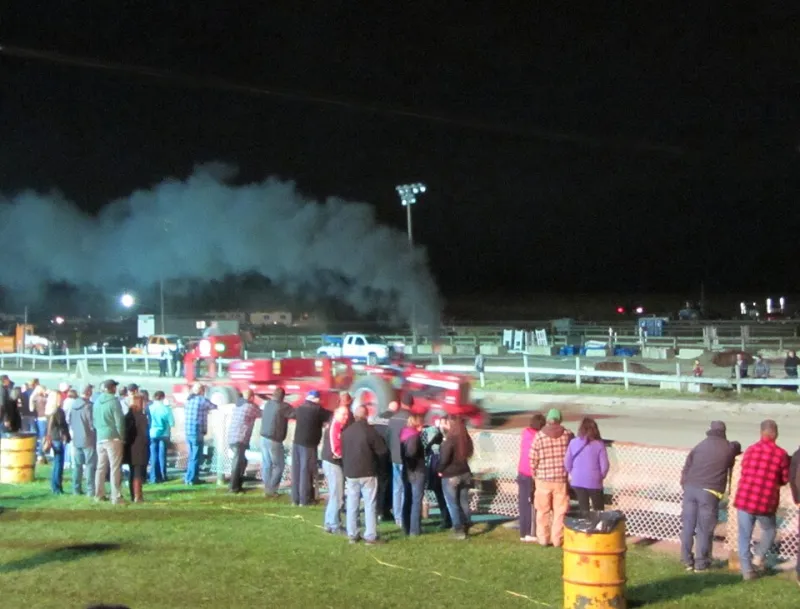
Photo: Loozrboy from Toronto, Canada, CC BY-SA 2.0, via Wikimedia Commons
The Photo You Didn't Post
Somewhere in your camera roll, wedged between a sunset that needed no filter and a taco that deserved better lighting, there's a photo like this: the overlook, shot through a windshield fogged up from two gas station coffees. A smear of rain on the lens. Half a thumb in the corner. The kind of picture you scroll past at speed, slightly embarrassed.
I want you to go back and look at it again. Not delete it — frame it.
There's an old Japanese idea called wabi-sabi that has quietly been doing the work of every travel philosopher since Kerouac: the belief that beauty lives in imperfection, impermanence, and things that show their wear. A cracked teacup is more beloved than a flawless one because the crack tells you it was used. Wabi-sabi doesn't want the postcard. Wabi-sabi wants the receipt.
And if there's one thing a road trip produces in bulk, it's receipts.
Perfection Is Evidence of Nothing
Here's the uncomfortable math of the Instagram era: a technically perfect vacation photo proves almost nothing. Sharp focus, golden hour, horizon level — that's a picture of a destination. But a blurry dash cam still taken at 65 mph on Route 50 in Nevada, where the only thing in focus is the dashboard's low-fuel light? That's a picture of a moment. You were there. You were tired. The light was doing something strange over the desert and you couldn't pull over for another twelve miles, so you just shot it through the glass and hoped.
That photo failed as photography and succeeded as testimony.
We've been trained to treat flaws as failures — delete the blurry one, retake the smudged one, wait for the fog to clear. But the fog was the trip. Ask anyone who's driven up to Clingmans Dome and seen nothing but cloud. The overlook you couldn't see is a better story than the one you could.
An Inventory of Beautiful Failures
Start noticing the species of imperfect photo in your collection. They're a whole taxonomy:
- The Windshield Portrait. Bugs, rain, a faint reflection of the driver. The car becomes part of the landscape, which is honest, because the car was part of the landscape for 2,000 miles.
- The Motion Blur. Grain elevators, barns, and water towers smeared into impressionism. You didn't take a bad photo; you accidentally invented a painting.
- The Crumpled Map Shot. Creased so many times at the same folds that certain highways are nearly worn through. That crease pattern is a seismograph of your decisions.
- The Fogged Overlook. You drove three hours for a view and got a white rectangle. Congratulations — you now own the most exclusive photo at that vista, because nobody else bothered to keep theirs.
- The Thumb. A classic. The thumb says: a human was here, holding a camera, excited enough to fumble.
None of these will win a contest. All of them will win a memory, which pays better.
Building the Imperfect Souvenirs Album
If you want to make this a practice rather than a feeling, here's the assignment: after your next trip, build an album of only the rejects. Twenty photos, maximum, and every one has to be technically flawed. Give it rules, like a haiku — the constraint is what makes it art.
Then, under each photo, write one sentence. Not where it is. What happened. "Rain started at the Salton Sea and didn't stop until Blythe." "Mom navigated for the first time since 1987." The caption is where the flaw becomes the story.
Print a few. An actual frame, on an actual wall, of a photo where the horizon tilts and a bug meets its end on the lens, does more for a room than any landscape print from a store. Guests will ask about it. Nobody has ever asked about the flawless sunset.
The Point of the Detour
Road trips are the last vacation format that still belongs to wabi-sabi. Flights promise efficiency; cruises promise polish. But a road trip is 14 hours of imperfection with occasional bursts of glory — the closed diner, the wrong exit, the detour that became the whole point of the day. Your photos should match the medium.
So the next time you catch yourself about to delete the smeared, the crooked, and the half-blurred, stop. That photo isn't a failed attempt at the postcard. It's a successful record of the drive.
The crack in the teacup is the teacup. The blur in the photo is the trip.