Fifty Bucks a Day and a Full Heart: The Art of Trimming Your National Park Budget Into Something Beautiful
There's a moment in every budget trip where you have a choice: panic about the number in your bank app, or get really, weirdly good at stretching a dollar. I choose the latter, and I'm here to tell you that touring America's national parks on $50 a day isn't just possible — it might actually be the better trip.
Think of it like tending a bonsai. You don't make the tree smaller because you hate trees. You prune strategically so the remaining branches get stronger, more dramatic, more worth looking at. A trimmed travel budget works the same way. Cut the excess — the $38 lodge dinners, the parking-adjacent hotel rooms — and what flourishes is the actual reason you came: the granite walls, the geysers, the silence.
Here's the honest math.
The Big One: Sleeping for (Almost) Free
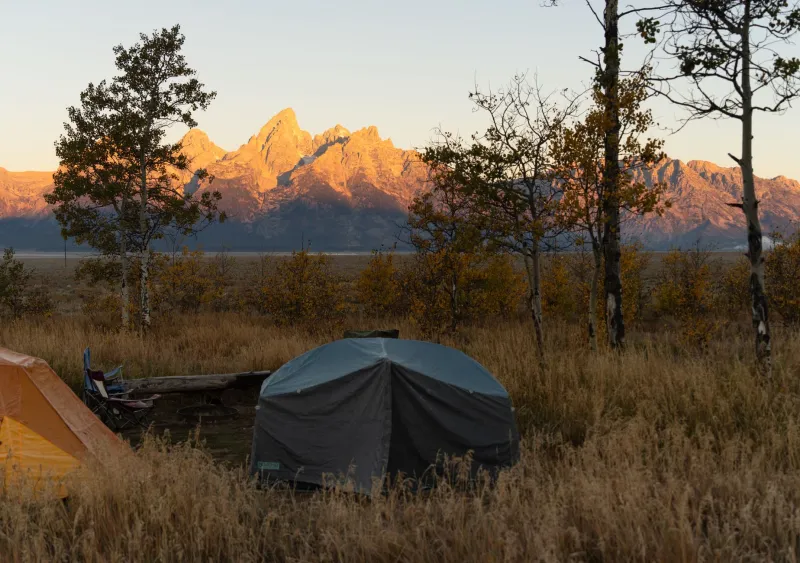
Lodging is where budgets go to die, so we kill this line item first. A campsite at a national park campground runs $15–$30 a night in most parks — $20 if you're in a tent at places like Yellowstone's Norris or Zion's Watchman (book that one months out, seriously). Dispersed camping on national forest land surrounding most parks is often completely free, which drops your nightly rate to zero and adds a 30-minute commute of genuinely lovely driving.
Let's budget $15/night average. That leaves $35 for everything else. Suddenly, this doesn't feel like a punishment. It feels like a puzzle.
If you're going full sentience-free and sleeping in your car where it's legal, even better — but a tent is more comfortable than people remember, and the $3 foam pad you "forgot" will haunt you.
The America the Beautiful Pass Is the Best Deal in the Country
$80 gets you into every national park and federal recreation site for a full year. If you're hitting three or more parks — and on a trip like this, you are — the pass pays for itself by park number three. Grand Teton, Yellowstone, Arches, Canyonlands, Bryce, Zion: one pass, all of them. Seniors, military families, and fourth-graders (through the Every Kid Outdoors program) get it even cheaper or free.
Amortize that across a two-week trip and it's roughly $6 a day for world-class scenery. There is no streaming service that can compete.
Feeding Yourself Without Feeding the Gift Shop
The $14 bison burger at the lodge restaurant is a trap. A lovely trap! But a trap.
The move is a cooler and a camp stove. A typical day on my last Utah loop looked like this:
- Breakfast: Oatmeal, instant coffee, a banana (~$1.50)
- Trail lunch: PB&J, trail mix, an apple (~$3)
- Dinner: One-pot pasta or chili made on a $20 stove that's paid for itself by day four (~$5)
That's about $10 a day on food, with one budgeted splurge: a $20–25 town meal every third or fourth day for morale. Hot shower, real lettuce, a beer on a patio in Moab. Non-negotiable. Morale is a line item.
The $50-a-Day Ledger, In Plain English
- Camping average: $15
- Food: $12 (daily average, splurges included)
- Park pass (amortized): $6
- Fuel: $12 (carpool it, drive a boring efficient car, love the highway)
- Misc/shower/laundry/ice: $5
Total: $50. Roughing it? Not really. You'll shower (campgrounds have them, or truck stops for $10 that we've folded into misc), sleep on real ground that becomes your ground, and eat food you cooked while a marmot judges you from a rock.
Want to Trim Less? Two Other Price Points
The $75/day "I Own a Real Chair" tier: Add a private campground with hot showers ($35/night) and one restaurant meal daily. Still cheaper than a single night at most in-park lodges.
The $110/day "Comfort Is a Right" tier: Sleep in a budget motel or cabin outside the park ($70–90 split with a friend), keep the cooler for lunches, and you've got road-trip luxury for the price of an airport sandwich and a half.
Sample Itinerary: The Two-Week Utah–Wyoming Loop
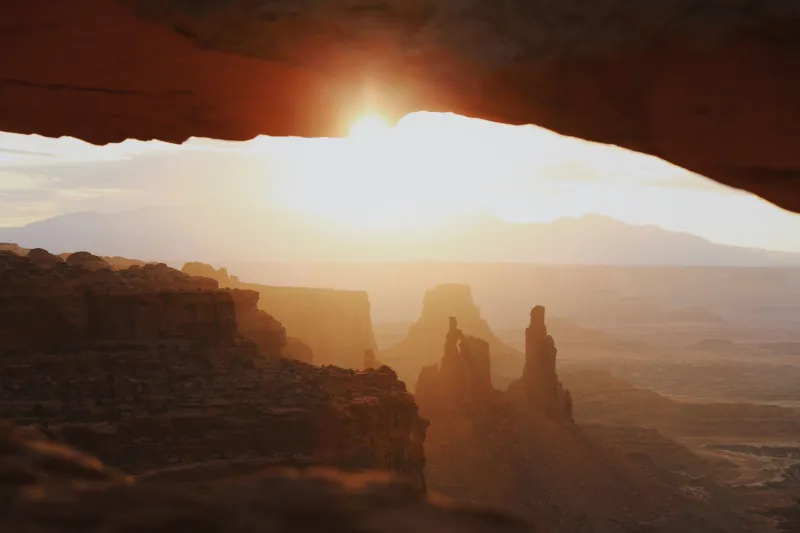
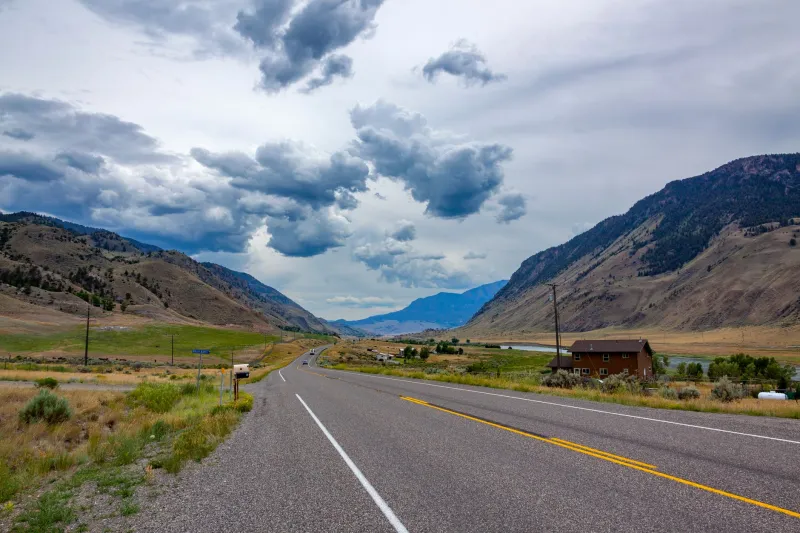
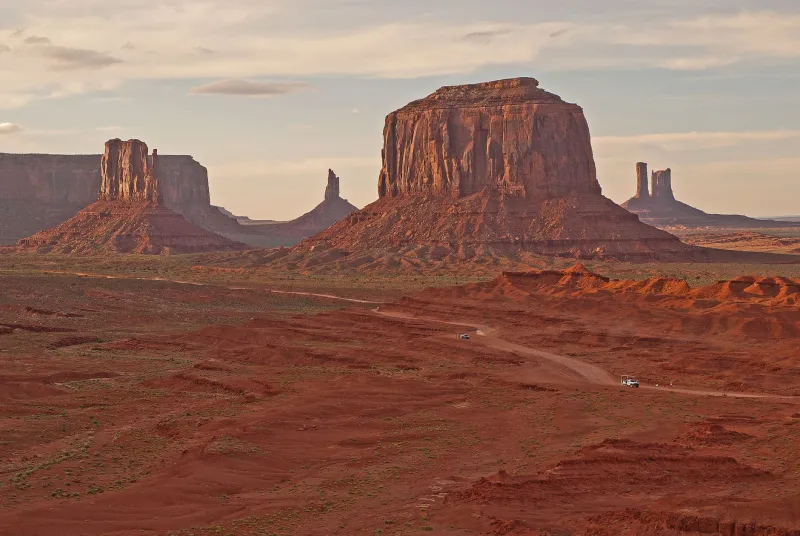
Week one: Las Vegas to Zion (two nights), Bryce (two), Capitol Reef (one — get the pie at the Gifford House, it's the best $6 in the park system), Moab for Arches and Canyonlands (three). Week two: north through Dinosaur or Flaming Gorge, into Grand Teton (two), Yellowstone (three), and out through Cody. Every stop on the annual pass. Every night under $30.
The Pruning Principle
Here's the thing nobody tells you: the cheap version of the trip is often the more memorable version. The lodge guests watched the sunset from a deck. You watched it from a slickrock ledge you hiked to, then ate chili about it. The bonsai isn't small because it's deprived — it's small because everything nonessential was removed, and what remains is intentional.
Trim your budget the same way. Cut the excess. Keep the wonder. Water daily with coffee.