The Front Row Seat to Sunrise: A Legal Guide to Sleeping in Your Car Out West
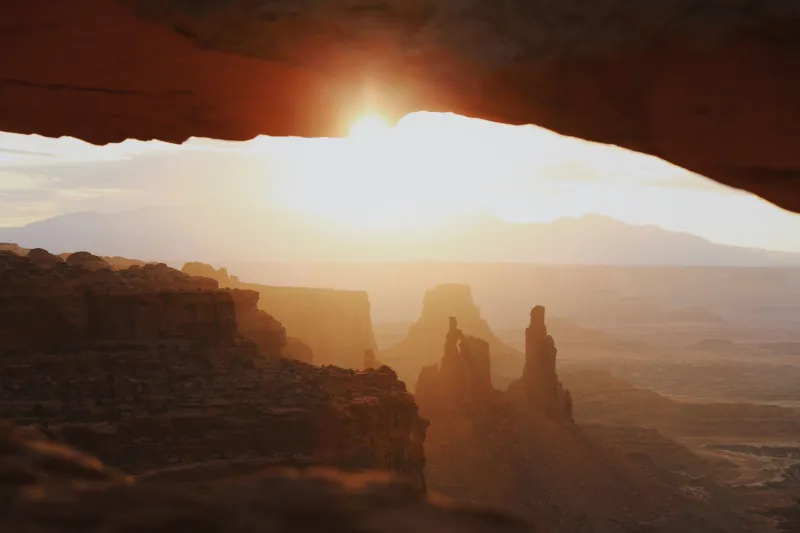
There's a particular kind of magic to unzipping your sleeping bag, cracking the car door, and watching the sun light up a canyon you drove twelve hours to reach. There's also a particular kind of misery to being woken at 2 a.m. by a security guard's flashlight because you parked in the wrong lot. This guide exists to maximize the first experience and eliminate the second.
Sleeping in your car — the kids call it "car camping," your accountant calls it "suspicious" — is the single best budget hack in Western road tripping. But the rules change faster than the scenery, so let's break it down.
The Golden Rules Before You Recline
Regardless of state, a few principles keep you legal and welcome:
- Ask first. Whether it's a ranger station, a truck stop, or a casino, a two-minute conversation prevents a midnight knock.
- Arrive late, leave early. The unofficial social contract of stealth camping. You're a guest, not a tenant.
- Leave no trace, take no chances. Pack out trash, keep windows cracked for ventilation, and never run your engine while sleeping — carbon monoxide doesn't care how tired you are.
- Know the local ban. Some cities (looking at you, certain corners of Southern California) have ordinances against vehicle dwelling. A quick search of the municipal code before you arrive is worth it.
State-by-State: Where You Can Actually Doze
Nevada: The patron saint of car sleeping. Bureau of Land Management (BLM) land covers roughly 63% of the state, and dispersed camping on BLM land is generally free for up to 14 days. Outside Las Vegas and Reno, nobody will blink if you spend the night in a pull-off. Bonus: casinos actively encourage overnight parking in their lots — a modest gamble on free lodging.
Utah: BLM land around Moab, Capitol Reef, and the Grand Staircase is famously permissive, with established dispersed zones marked on the BLM's Motor Vehicle Use Maps. The catch: popular zones near Moab now require designated sites, so check Recreation.gov before rolling in at dusk.
Arizona: National Forest land around Flagstaff and the Coconino Plateau allows dispersed camping up to 14 days, and the higher elevation makes summer sleeping bearable. Walmart policy in most Arizona towns is trucker-friendly; ask at the service desk to be safe.
Colorado: National Forest and BLM land abounds, but many counties near resort towns (Summit County, we see you) have overnight parking bans aimed at vehicle dwellers. Aim for forest roads off Highway 24 or 285 instead of sleeping in Buena Vista proper.
Wyoming: Wide open and widely tolerant. BLM and National Forest rules mirror the 14-day standard. In a pinch, rest stops along I-80 and I-90 allow overnight parking — just no camping setups outside the vehicle.
Oregon & Washington: National Forest dispersed camping is legal and plentiful east of the Cascades. West of the Cascades and along the coast, rules tighten — Oregon State Parks allow only in designated campgrounds, but some trailheads permit 24-hour parking with a pass.
California: The trickiest state. National Forest land (Inyo, Sierra, Cleveland) is legal for dispersed camping, but coastal cities and much of urban California prohibit overnight vehicle habitation. Your best bets: forest roads off the 395, and the truly legal-and-scenic dispersed zones in the Eastern Sierra.
The Parking Lot Hierarchy
When public land isn't nearby, not all lots are created equal:
- Casinos — 24-hour security, bathrooms, and coffee. The gold standard.
- Walmart — legendary but fading; many locations now ban overnight stays due to local ordinances. Always ask the manager.
- Cracker Barrel & Cabela's/Bass Pro — often more welcoming than Walmart, and the biscuit proximity is a plus.
- Truck stops (Love's, Pilot, Flying J) — designed for overnighters, though expect diesel rumble.
- Churches and visitor centers — hit or miss; ask, don't assume.
Apps That Do the Night Shift
- iOverlander — crowd-sourced spots with recent reviews
- The Dyrt — the biggest campground database, plus free dispersed sites
- FreeRoam — great cell coverage maps and legal-overnight filters
- Campendium — excellent for cell signal and Walmart-policy updates
- Recreation.gov — for the dispersed zones that now require reservations
The Comfort Kit
Windshield reflectors (all four corners), a window sunshade sock or magnetic curtains, a quality sleeping pad (the ground-tier of your back seat is colder than you think), a 12-volt fan, a jug with a spigot, and a pee bottle that you will never, ever mix up with your water bottle. Trust us on the last one.
Sleep legal, wake up early, and let the sunrise do the rest.