Mile Markers Are a Lie: A Case for the 30-Minute Detour
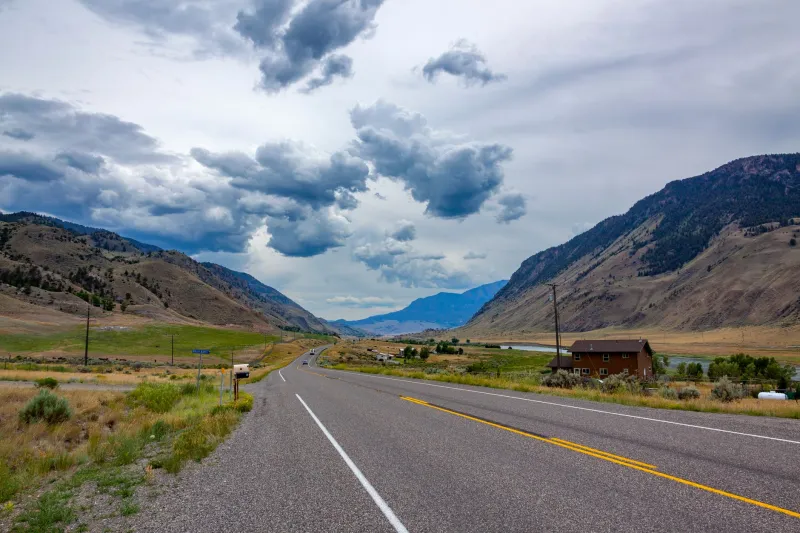
Let's talk about the tyranny of the ETA.
You know the feeling: you've got a GPS route, a podcast cued up, and a solemn vow to "make good time." You blow past the brown sign for the World's Largest Ball of Sodalite because stopping would cost you eleven minutes. Eleven minutes! You saved them, you hoarded them, and at day's end you spent them scrolling your phone in a Hampton Inn that looks exactly like the one in Toledo.
Congratulations. You drove across America and saw a highway.
The Mile-Marker Mindset Is Killing the Road Trip
Somewhere along the way, we let the algorithm convince us that a road trip is a logistics problem to be solved rather than an experience to be had. The fastest route is the default, the scenic route is the exception, and heaven forbid the trip take longer than the estimate.
But here's the thing about estimates: they're built for traffic, not for wonder. Your GPS knows about construction zones. It does not know about the roadside stand in rural Georgia selling peach milkshakes so good they should require a license. It cannot predict the conversation you'll have with a third-generation saddlemaker in a town you'd never otherwise exit for. That information simply isn't in the routing.
The 30-Minute Rule
Our proposal is modest, which is why it works: add 30 unplanned minutes to every driving day. Not an extra day. Not a detour that adds two hours and a ferry crossing. Thirty minutes, spent on whatever the road serves up.
That's it. That's the philosophy.
And here's the beautiful math: 30 minutes a day over a 10-day trip is five full hours of serendipity. Five hours of the weird, wonderful, un-Googleable stuff that turns "we drove to Arizona" into "we met a guy in Arizona who races roadrunners, and yes, that's a real thing, and no, we're not explaining further."
What 30 Minutes Actually Buys You
Better meals. The restaurant with a line of locals at 11:45 a.m. beats the chain at exit 42 every single time. The detour isn't the cost of the good meal — it is the good meal.
Stranger stories. Nobody ever came home raving about the rest area. They come home raving about the museum of barbed wire in Kansas, the ghost town with a resident cat, the pie. Especially the pie.
Cheaper trips. Counterintuitive, but true: the attractions just off the interstate are run by people with passion, not franchise fees. A $4 admission and a hand-shake from the owner beats a $40 parking garage and a gift shop funnel.
Sanity. Thirty extra minutes means you stop white-knuckling the wheel. You pull over when your legs need it. You arrive human instead of hollow.
The Bonzivista Framework: P.E.A.C.H. (Yes, Really)
When you see something tempting but you're mid-route, run it through five quick questions:
- Pull-off cost: Is it under 30 minutes door-to-door? Proceed.
- Exit penalty: Does skipping it mean you'll think about it for the next 200 miles? That's a yes in disguise.
- Appetite check: Is anyone in the car hungry, restless, or bored? Detour doubles as maintenance.
- Curiosity score: Did the sign make you smile, snort, or say "what IS that"? That's your gut. Listen to it.
- Hours remaining: If you'll still reach your lodging by a reasonable hour, the answer is always yes.
Score three or more yeses? Take the exit. The algorithm will recalculate. It always does. It's very forgiving that way.
The Bonsai Principle
We named this site after a tree that grows precisely because someone had the patience to go slow. A bonsai isn't a stunted tree — it's a tree given more attention per inch than any forest giant ever gets. That's the deal with slow travel, too. The same 500 miles, pruned and tended, becomes something worth keeping.
America built its highways fast, but it built its character slow — in diners and overlooks and two-lane roads with names instead of numbers. You can't see any of it at 70 miles per hour, and honestly, you weren't meant to.
So next trip, do the math differently. Give yourself the 30 minutes. Take the detours.
That's not a slogan. It's the whole business model.