The Pot Makes the Tree: How Self-Imposed Rules Turn Trips Into Art
Here's a thing nobody tells you when you're sixteen and dreaming about the Great American Road Trip: infinite freedom is a terrible travel companion.
Open-ended trips sound romantic. Go where the wind blows! Follow the horizon! But the wind, it turns out, mostly blows toward the nearest drive-thru, and the horizon looks identical to the last forty miles of it. When everything is possible, nothing feels chosen. You default to interstates, chain restaurants, and the vague, gray melancholy of a trip that never took a shape.
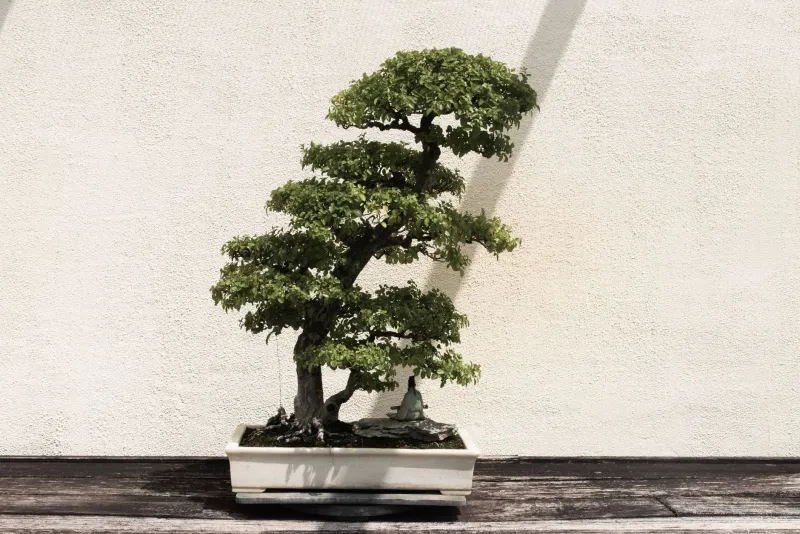
Bonsai artists figured out the antidote centuries ago. A bonsai isn't a stunted tree — it's a tree given a container, and the container is what forces the beauty. Roots constrained into a shallow pot don't weaken the tree; they concentrate it. Every branch is deliberate. Nothing is wasted. The limits aren't the enemy of the art. The limits are the art.
Your road trip wants a pot. Here are three, tested on real pavement.
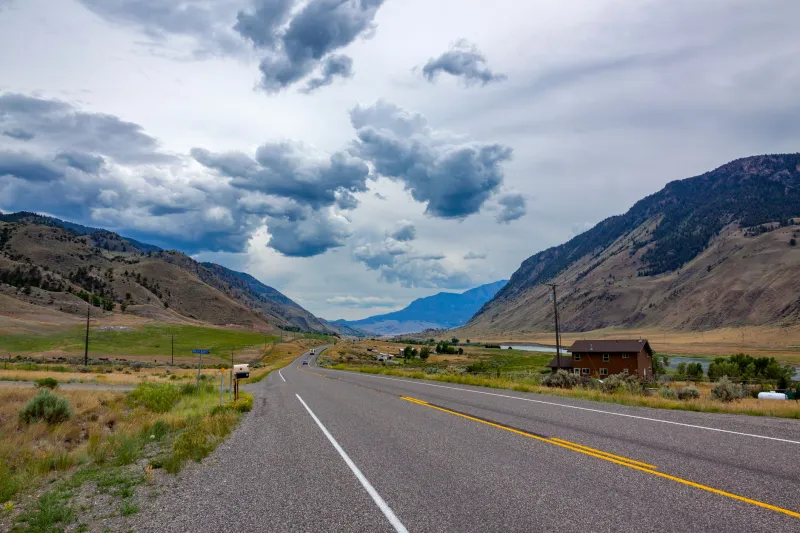
Rule One: Two-Lane Roads Only
The interstate is a bonsai grown in a bucket — technically alive, spiritually compromised. The two-lane rule forbids it entirely, and suddenly the country reorganizes itself around you.
The case study: A friend of mine drove from Denver to Chicago using only US highways and state routes. Instead of 1,000 miles of semis and exit ramps, she got the Corn Palace in Mitchell, a hand-painted sign advertising RATTLESNAKE JERKY that she still talks about years later, and a county road in Iowa that dead-ended at a grain elevator and a dog who escorted her turnaround like it was his job. She arrived a day later than I-80 would've allowed and about forty times more entertained.
What the rule buys you: Small towns can't survive without through-traffic, and on a two-lane you are the through-traffic. You stop because the road curves toward something interesting, not because a sign paid to be there.
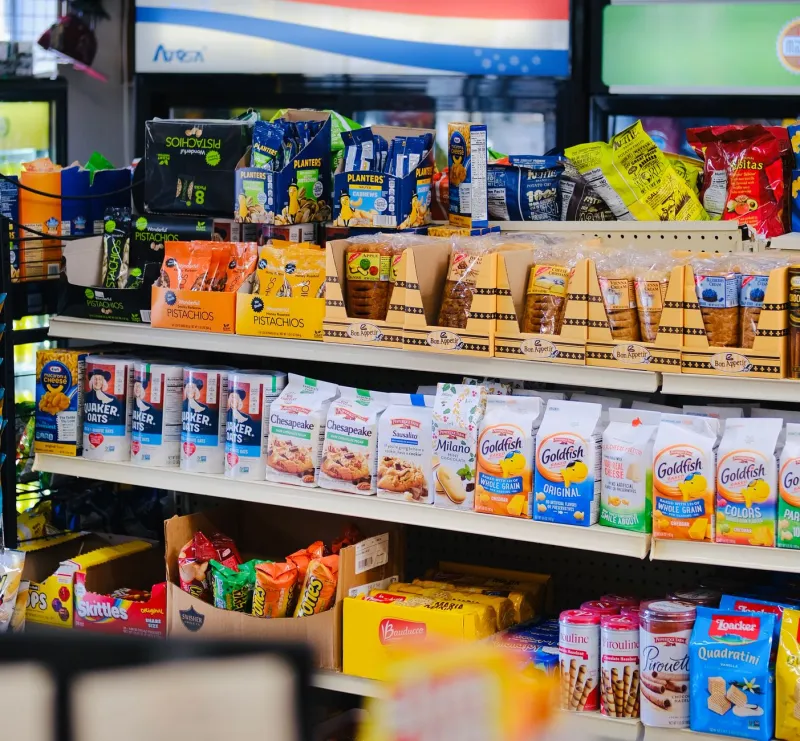
Rule Two: The $40 Daily Cap
Nothing kills spontaneity faster than money anxiety, and nothing creates money anxiety faster than a trip where every meal is a negotiation with your bank account. The daily cap isn't about deprivation — it's about removing money from the decision loop entirely.
The case study: We once ran a Pacific Coast week on a strict $40/day. The math forced choices that turned out to be the trip's highlights: grocery store picnic dinners eaten on a bluff while sea lions performed below, a free tide-pool stop we'd have blown past on the way to a $60 restaurant, a night at a forest service campground where our campfire neighbors taught us a card game and fed us their extra chili. Nobody remembers what you ordered at a highway Applebee's. Everybody remembers the chili.
What the rule buys you: When spending is capped, the cheapest options — state parks, roadside oddities, scenic pulloffs, pie — rise to the top. And pie, as any honest traveler will tell you, is the actual point.
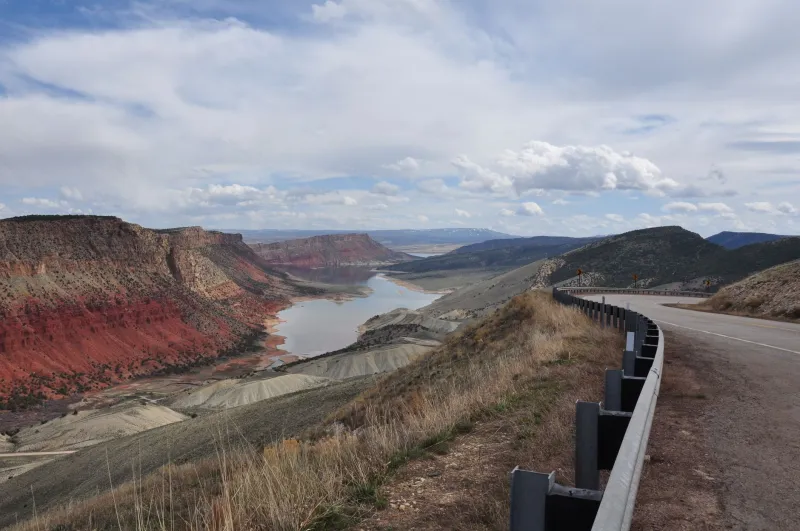
Rule Three: Never More Than 200 Miles a Day
This one hurts, because the whole mythology of the road trip is the epic haul — the 700-mile day, the coffee-and-caffeine death march. But the 200-mile rule converts a highway experience into a place experience.
The case study: A couple we know applied the rule to a Kentucky-to-South-Carolina run that could've been done in two brutal days. At 200 miles a day it took four, and those extra two days produced a morning in Asheville's river arts district, a detour to a roadside fossil dig in the Carolina foothills, and a gas-station peach stand purchase that ripened the whole car. Their total driving time was nearly identical to the fast version. Their memories were not.
What the rule buys you: Time to take the stupid detour. The world's best roadside attractions — the world's largest ball of anything, the mystery spot, the diner with the dancing pig sign — don't sit on interstates. They sit 15 minutes off your route, which is a distance you'll only ever cover if you're not in a hurry.
Choose Your Pot
The bonsai master doesn't lament the small pot. She chose it, on purpose, because a tree with no container is just landscaping. So pick your constraint before your next trip: the two-lane rule, the daily cap, the mileage ceiling — or invent your own. No chain restaurants. No left turns on Sundays. Every day ends at a body of water.
Whatever you choose, choose it deliberately, and then let it work on you. Because the trip with no limits isn't free — it's just unpruned. And unpruned things grow wild, crooked, and forgettable.
The pot makes the tree. The rules make the trip. See the sights. Take the detours — especially when your own rules demand it.