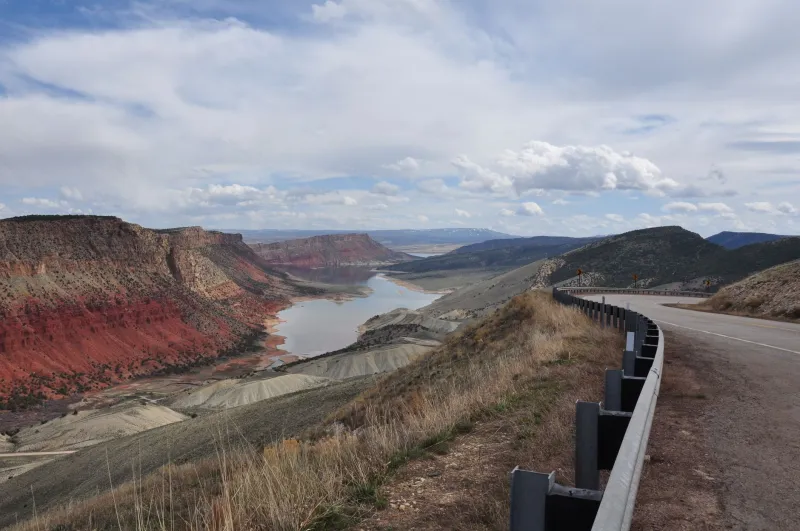
Three Roads, Zero Admission Fees: The Highways Where History Rides Shotgun
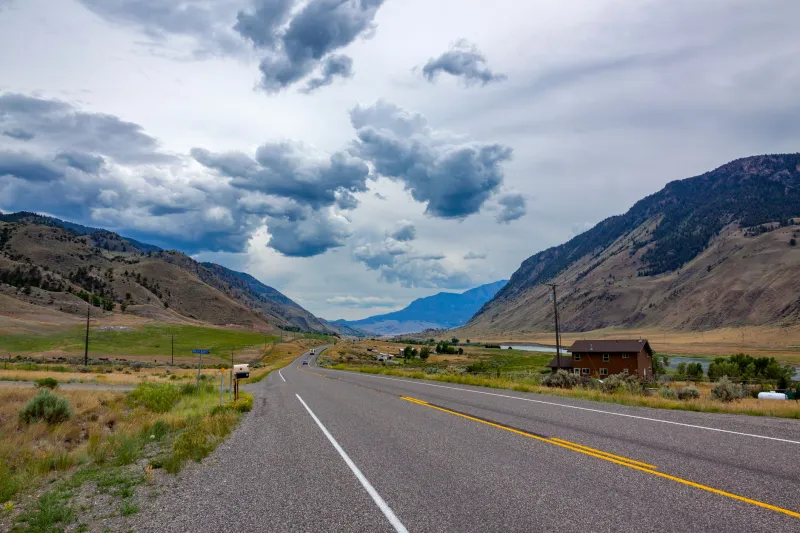
Every history museum in America has the same problem: you can't touch anything. Velvet ropes, security guards, those little placards with font sizes chosen by someone who hates your eyeballs. Meanwhile, three hours away, a two-lane highway lets you drive straight through 200 years of American history with the windows down and a gas station taquito in hand.
The US numbered highways — the ones that predate the interstates, the ones the interstates were built to avoid — are the closest thing this country has to a drive-through time machine. Three of them, in particular, deserve a spot on your bucket list. No tickets. No timed entry. Just you, the road, and everything that ever happened along it.
US Highway 61: The Blues Never Left
Highway 61 runs from the Canadian border down to New Orleans, but the stretch through Mississippi is hallowed ground. This is the Blues Highway — the road that carried Robert Johnson, Muddy Waters, and B.B. King's guitar from the Delta cotton fields to the rest of the world.
Start in Memphis, where you can stand at the edge of the Mississippi River and contemplate that Johnson allegedly sold his soul at a crossroads somewhere down this road. Then roll south. The Delta Blues Museum in Clarksdale is a must, but the real exhibits are unofficial: the jukes still open on weekend nights, the murals in tiny towns, the fact that you can pull over at the intersection of Highways 61 and 49 and just... feel it.
Detour worth your gas money: The small towns along 61 — Indianola, Tutwiler, Leland — have historical markers that read like liner notes. Stop for all of them. Your ETA is a suggestion, not a promise.
US Highway 50: The Loneliest Road Is Also the Loudest History
Nevada's stretch of US 50 famously got labeled "The Loneliest Road in America" by a Life magazine writer in 1986, and the state has been leaning into the insult ever since — they'll mail you a certificate proving you survived it.
But lonely for whom? This corridor was a highway of silver barons, Pony Express riders, and miners who named towns things like Eureka and then dared the desert to do something about it. Ghost towns like Berlin (yes, that's its name, and no, the town predates the whale) sit preserved in state parks. Austin, Nevada, a mining boomtown turned quiet mountain hamlet, has three historic churches and one very opinionated saloon keeper.
The history here isn't roped off. It's just sort of lying around, weathering gracefully, waiting for you to read the plaque and squint at the horizon until the 1870s come into focus.
Detour worth your gas money: Sand Mountain, a massive singing dune just off the highway, sits where the Pony Express once ran. Climb it. Yell something. Report back.
US Highway 1: The Whole American Story, Coast to Coast (Well, Almost)
US 1 technically runs from Fort Kent, Maine — population: a few thousand, moose: several — down to Key West, where it runs out of continent entirely and becomes a series of bridges over impossibly blue water.
Along the way, it's a scrapbook of American eras. The colonial streets of Philadelphia and Baltimore. The Civil War history scattered through Virginia, where the road passes within shouting distance of battlefields you can walk in an afternoon. The mom-and-pop motor courts of the Carolinas and Georgia, holding on with paint peeling in charming ways. And finally the Keys, where the highway itself — the Overseas Highway — is the attraction, a 113-mile engineering marvel built on an old railroad bed that Henry Flagler abandoned.
Detour worth your gas money: Fort Kent marks the official Beginning (or End) of US 1 with a modest sign that nobody is guarding. Take the photo. Touch the sign. The museum police cannot stop you.
The Rules of the Road-Trip Time Machine
A few ground rules for driving history properly:
- Take the two-lane, not the interstate. The interstate was built to skip the good parts. That's not a metaphor; it's literally the route planning.
- Read the brown signs. Those little brown historical markers on the shoulder are a trail of breadcrumbs left by people who knew what they were doing.
- Talk to the gas station cashier. More local history gets transmitted over a counter in ninety seconds than in any visitor center.
- Budget time for nothing. History doesn't run on a schedule. Neither should you.
The interstates will get you there faster. But "there" is overrated when "along the way" is this good. Prune the itinerary, wind down the windows, and let the highway do the curating. America's best museums have a center line down the middle.