Static Is a Love Language: Confessions From the Loneliest Stretches of American Asphalt
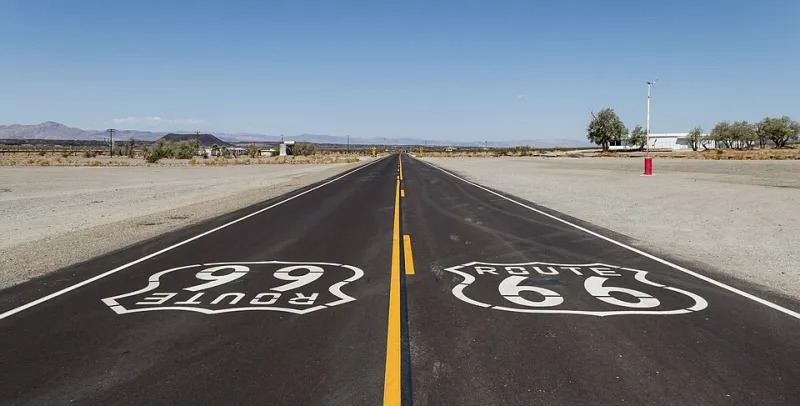
Photo: Dietmar Rabich, CC BY-SA 4.0, via Wikimedia Commons
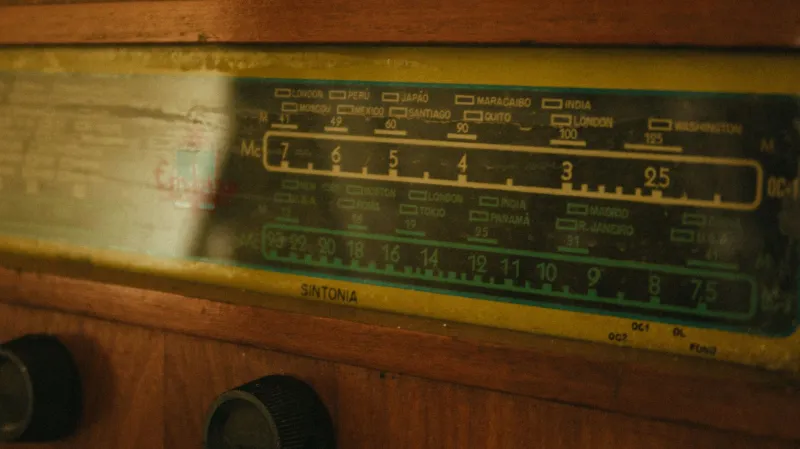
There's a moment on US-50 in Nevada — I want to say it's east of Austin, but the emptiness has a way of scrambling your internal map — when you realize you haven't seen another car in twenty minutes. Your radio has drifted from a country station into something that sounds like a séance being conducted inside a toaster. And instead of punching the seek button one more time, you just... leave it. You let the static in.
That's the moment this article is about. The moment the highway stops being a corridor between two places and becomes the place itself.
The Loneliest Road Doesn't Want Your Pity
Route 50 across Nevada has been branded "The Loneliest Road in America" since a 1986 Life magazine article quoted an AAA counselor saying drivers would need "survival skills" to cross it. Nevada, bless its marketing heart, turned the insult into a highway sign and a souvenir passport you can get stamped in towns like Ely, Eureka, and Fallon.
Here's what the brochures don't tell you: the loneliness is the attraction. It's not a bug in the road trip software. It's the whole point.
When I drove it last October, I counted — genuinely counted — the stretches where I could see the road curve ahead of me for more than five miles with nothing on either side but sagebrush and the kind of silence you can hear your own heartbeat in. The mountains out there don't loom; they wait. The clouds cast shadows the size of counties.
I Asked the People Who Actually Live There
Emptiness looks different when it's your address. In Eureka, Nevada — population under 500, home to an opera house that has no business being as beautiful as it is — I bought coffee from a woman named Doreen who has lived on the highway her whole life.
"People stop in panicked," she told me. "They think something's wrong because there's nothing out here. I tell them: nothing's wrong. That's the product."
Further north, on US-2 in Montana — a highway that threads between the southern edge of Glacier and a whole lot of nowhere — a gas station attendant in Cut Bank put it differently: "Folks drive through fast because they're scared of it. The smart ones slow down."
Both of them said versions of the same thing: the travelers who fight the emptiness hate these roads, and the travelers who surrender to it never forget them.
A Field Guide to Letting the Static In
If I've sold you — and I'm trying — here's how to do it right.
Pick your emptiness deliberately. US-50 across Nevada is the classic. US-2 through Montana and the Dakotas is the connoisseur's choice. US-90 in West Texas, US-20 through Wyoming, and Nevada's US-95 all deliver the same goods with different scenery. Avoid doing this on a schedule. Emptiness plus a deadline equals misery.
Fuel is a religion, not a suggestion. The rule out there is simple: if you see a gas station, fill up, even if you're at three-quarters of a tank. Services can be 80-plus miles apart, and they close. Doreen's diner in Eureka closes at 7. So does everything.
Download everything. Then put the phone in the glovebox anyway. The point of a dead zone is to be dead to your phone. Bring a paper map — the kind you can spread on the hood — because there's a specific joy in tracing your own tiny line across a huge blank space.
Talk to the radio static. I'm only half kidding. Somewhere around Fallon, the static on my FM dial started sounding almost musical, a white-noise choir accompanying the dashboard. My passenger thought I'd lost it. Then she turned her podcast off and just listened for a while. We didn't talk for forty miles. It was the best conversation of the trip.
Why Emptiness Is a Destination
We spend so much road trip energy optimizing — fastest route, best stops, most attractions per mile — that we forget the original promise of the American highway: the freedom to be nowhere in particular. The loneliest roads strip away the itinerary, the notifications, the gentle tyranny of the four-star restaurant two exits ahead.
What's left is you, the machine, and a horizon that keeps its distance no matter how long you chase it. The static on the radio isn't nothing. It's the sound of being somewhere no algorithm is trying to sell to you.
So take the exit that isn't an exit. Let the dial drift. The lonesome highway has been holding its note for a hundred years, waiting for someone to pull over and listen.