Read the Exit Like a Palm Reader: Decoding America's Highway Strips Before You Commit to a Motel
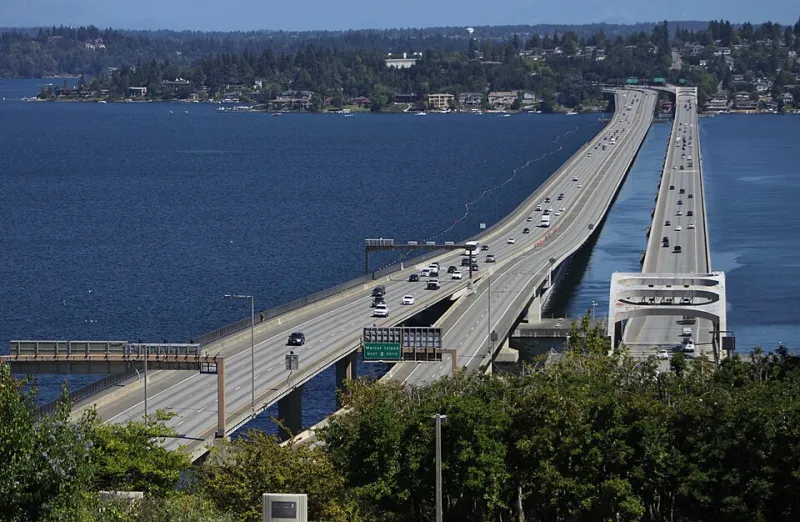
Photo: SounderBruce, CC BY-SA 4.0, via Wikimedia Commons
There's a moment every road tripper knows. It's 7:40 p.m., you've been driving since Tulsa, and the highway sign ahead promises: Food. Lodging. Gas. Three little words that tell you absolutely nothing about whether you're about to sleep in a charming little town or a concrete purgatory with a truck stop and a vibe.
But here's the secret the interstate doesn't advertise: the exit itself is telling you everything. You just have to learn the language.
The Chain Census: What Franchises Are Actually Saying
Let's get one thing straight — this is not a snobbery piece. Some of the best meals of my life happened under fluorescent lighting next to a gumball machine. But chains are data points, and data points paint pictures.
A town with a Cracker Barrel and a Hampton Inn is telling you: We get travelers. We're ready for you. We will be pleasant and forgettable, and your morning will include a waffle. That's not an insult. Sometimes pleasant and forgettable is exactly what your aching back is ordering.
A town with zero chains and one glowing local drive-in with a hand-painted sign from 1987? That town is saying something entirely different: We feed ourselves here. Ask about the tenderloin. These exits are rarer, and they're where the good stories live. Yes, the Wi-Fi will be tragic. Book it anyway.
And then there's the exit with four gas stations, a laundromat, and nothing else — a commercial ecosystem that supports no human life after 9 p.m. This is what road-trippers call a "transit town," and it's not judging you for passing through. It barely notices you're there.
The Off-Menu Indicators
Chains are just the headline. The real reporting is in the details:
- The mattress store cluster. If a town has three mattress stores within a mile, it's either booming or something strange is happening with the local economy. Either way, proceed with curiosity.
- The church marquee. The message on the sign is a town's emotional weather report. "All Are Welcome" means one thing. "Repent, the Exit Is Near" means another. Both are useful information.
- The pharmacy drive-thru. A town with a 24-hour pharmacy has thought about people's needs at inconvenient hours. This correlates suspiciously well with hotels that keep the pool open late.
- The local hardware store with a cat. No data here. Just stop. Buy a bottle opener. Pet the cat.
The Waffle House Doctrine
You've probably heard of the actual Waffle House Index — FEMA's unofficial scale for disaster severity, based on whether the waffles are being served. It's brilliant because it works: Waffle House stays open through hurricanes, so if it's closed, things are truly bad.
I propose we steal this framework for road tripping. Call it the Strip Index:
- Green: Local diner, independent motel, at least one business with a mascot on the sign. Stop. Explore. Stay two nights if you can.
- Yellow: Reliable chains, clean parking lots, a Walmart Supercenter humming in the distance. Safe harbor. No stories, but good sleep.
- Red: Everything is closed, everything is for lease, and the one open business is a vape shop inside a former Blockbuster. Keep driving. There's always another exit.
Reading Between the Billboard Lines
Billboards deserve their own field guide. A town advertising itself with "FAMOUS FOR [FOOD ITEM]" has earned that confidence and you should verify it personally. A town advertising "ANTIQUE MALLS!" is telling you its young people moved away and left behind a lot of furniture — which, honestly, is a great place to find a $12 lamp and hear some local history.
And the town with no billboards at all? Either it banned them (respect) or nobody's passing through (intriguing). Both are worth a detour on the way back, if not the way in.
The 10-Minute Test
Here's the practical part, the move that separates the exit-surfers from the exit-readers: before committing to a motel, take the ten-minute test. Drive the main drag once. Not the frontage road — the actual downtown, usually two blocks behind the strip.
What you're looking for: porch lights, a bar with bikes parked outside, a theater marquee with something scheduled. Signs of a town where people live at 8 p.m., not just sleep. If the main street is all insurance offices and a courthouse, you've found a lovely place to work remotely and a boring place to spend a Tuesday night.
If it passes, book the room. If it fails, you've lost ten minutes and gained certainty — the best exchange rate in travel.
Your Exit Is a Mirror, Too
One last confession: half of what an exit tells you depends on what you need. The four-gas-station purgatory is a nightmare if you want dinner and a miracle if you need to swap a tire at midnight. The chain-lined exit is soul-crushing to a romantic and a relief to a family with two kids who will only eat chicken tenders.
The exits aren't grading the towns. They're just holding up a mirror to the traveler. The real skill isn't learning to read the strip — it's being honest about what you're hungry for when the sign appears.
Though if you see a hand-painted drive-in sign with a mascot holding a burger? You stop. That's not a reading. That's a rule.